
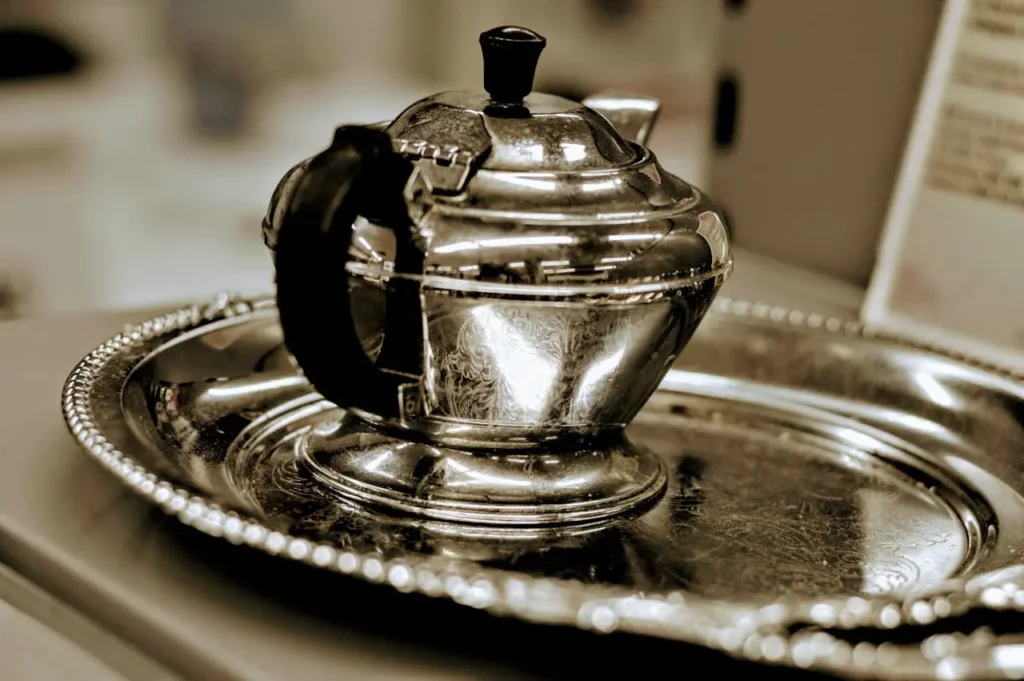
As a former Moroccan goods seller through Moroccan Gift Shop, I’ve handled countless traditional teapots while sourcing from artisans in Marrakech and Fez. Now, through my blog, I often get asked: are Moroccan teapots safe? Whether you’re eyeing a shiny copper or silver-plated teapot for mint tea or wondering about a “Royal Fes” stamped piece, safety depends on material, construction, and use. Here’s a no-nonsense guide for 2025, covering stove compatibility, lead risks, and how to choose a safe teapot.
Are Moroccan Teapots Safe for Brewing Tea?
Moroccan teapots, iconic for mint tea, are generally safe if crafted by reputable artisans and used correctly. Safety hinges on the material and whether the teapot is food-grade. Most authentic teapots are stainless steel, brass, or silver-plated brass, but decorative or older pieces can pose risks.
Common Materials and Their Safety
Stainless Steel: The safest choice. Food-grade stainless steel (18/8 or 18/10, often stamped “inox”) doesn’t leach metals like lead or nickel, even when heated.
Brass: Typically silver-plated, brass teapots need a tin lining to prevent copper or zinc leaching. Unlined brass can release trace metals into acidic tea.
Copper: Stunning but risky if unlined. Copper can leach into hot water, potentially causing health issues over time. Tin-lined copper is safer but less common.
Silver-Plated: Usually brass underneath, these are safe if the plating is intact. Damaged or thin plating may expose unsafe metals.
Lead Concerns: Older or low-quality teapots, especially handmade or second-hand ones, may use lead in solder or alloys, which can leach into tea and cause health risks like kidney damage. Look for “food-safe” or artisan certification labels.
Can You Put a Moroccan Teapot on the Stove?
Not all Moroccan teapots are stovetop-safe. Authentic ones for brewing are often heat-resistant, but decorative models aren’t built for direct flames.
Stovetop-Safe: Stainless steel or tin-lined brass teapots with flat bottoms (no feet) and heat-resistant handles can handle low-medium heat. Confirm “stovetop-safe” with the seller.
Not Safe: Decorative teapots with feet, thin plating, or unlined copper can crack or leach metals under heat.
Best Practice: Boil water in a stainless steel kettle, then pour it into the teapot with tea, sugar, and mint. Steep on low heat (2-4 minutes) with a diffuser to avoid damage.
What About “Royal Fes” Teapots?
Teapots stamped “Royal Fes” often come from Fez artisans, indicating craftsmanship but not necessarily material safety. These may be silver-plated brass or stainless steel. Without a “food-safe” or “tin-lined” label, lead in solder or alloys is a concern, especially in older pieces. Test second-hand teapots with a home lead test kit (~$10-$20) or use them decoratively until confirmed safe. Stainless steel versions (check with a magnet—weak stick) are likely fine for low-heat steeping.
Tips for Safe Moroccan Teapot Use
From my experience, here’s how to ensure safety:
Buy Reputable: Source from Fez or Marrakech artisans or trusted vendors like Little Moroccan Things. Check for “food-safe” or “stainless steel” labels.
Avoid High Heat: Use a separate kettle for boiling and a diffuser for steeping.
Test Second-Hand: Use lead test kits for unmarked teapots like “Royal Fes.”
Clean Gently: Hand-wash with mild soap to preserve linings.
Ask Experts: Contact artisans via blogs like moroccangiftshop.com for maker identification.
The Bottom Line
Moroccan teapots are safe if stainless steel or tin-lined brass from trusted sources. Avoid direct stove use for copper or unmarked “Royal Fes” teapots unless certified food-safe. Boil water separately and steep carefully to enjoy mint tea worry-free. Check moroccangiftshop.com for more tips or to share your teapot questions!